C’est le principal facteur. Il aggrave la production de mélanine et fragilise la peau, même chez les peaux jeunes. Des expositions répétées, une absence de protection solaire ou un coup de soleil favorisent l’apparition de taches brunes, surtout sur les zones sensibles (visage, mains, décolleté).
Ils déclenchent une hyperpigmentation typique, le fameux masque de grossesse ou mélasma, qui colore la peau de teintes brunes sous l’action conjuguée du soleil et des hormones. La période de péri-ménopause et ménopause est également propice à l’apparition de taches pigmentaires en raison des fluctuations hormonales.
Mais la peau peut aussi révéler des taches pigmentaires à cause d’une maladie, d’un stress cutané ou d’une inflammation chronique.
Une prédisposition génétique à l’hyperpigmentation rend la peau plus vulnérable. Même l’inflammation cutanée, suite à une irritation, un bouton ou une cicatrice est susceptible de stimuler les mélanocytes. La surproduction de mélanine conduit à la formation de taches pigmentaires post-inflammatoires, souvent plus visibles et tenaces.
L’hyperpigmentation post-inflammatoire est le résultat d’un excès de production de mélanine à cause d’une inflammation de la peau. Les cytokines et les médiateurs inflammatoires stimulent en effet parfois les mélanocytes. Cela entraîne une augmentation de la production de mélanine. Les phototypes mates et foncés y sont particulièrement sujets.
Les taches brunes correspondent à une hyperpigmentation localisée liée à une surproduction de mélanine. Elles apparaissent lorsque les mélanocytes, stimulés par le soleil, le vieillissement cutané, des variations hormonales ou une inflammation, produisent un excès de pigment qui s’accumule de façon irrégulière dans la peau. Ces taches peuvent être diffuses ou bien délimitées, claires ou plus foncées, et concernent principalement le visage, le cou, le décolleté et les mains. Bien qu’elles soient le plus souvent bénignes, les taches brunes altèrent l’uniformité du teint et nécessitent une évaluation médicale précise afin d’identifier leur origine et de proposer un traitement adapté, efficace et respectueux de la peau.
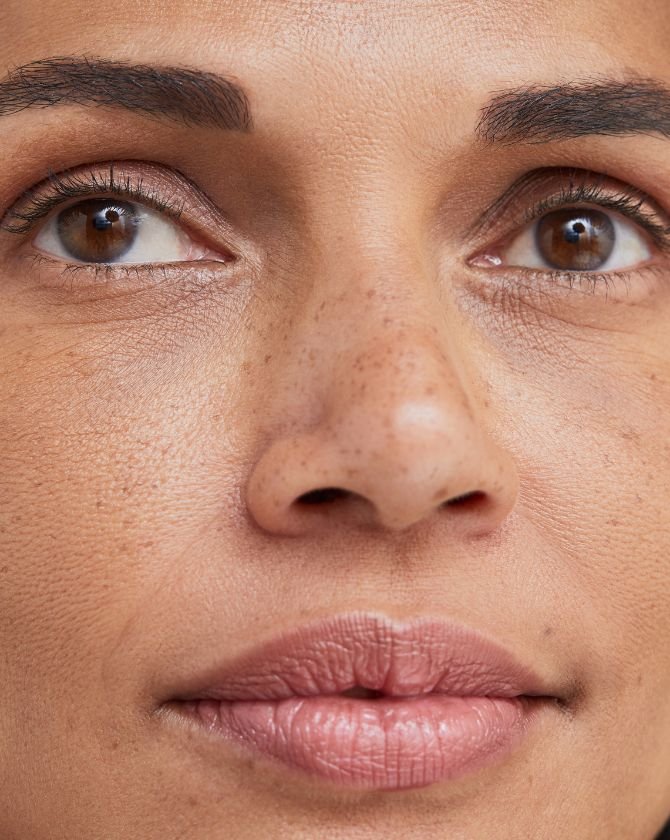
From the Greek word "melas" or "black," melasma or chloasma is commonly called a pregnancy mask. It is hyperpigmentation that appears as brown spots on the skin. The spots' color gradually intensifies with sun exposure.

LaseMD® Ultra promises that your skin will be free of imperfections, thanks to the combination of a fractional laser and a solution full of active ingredients adapted to your skin. Ideal for those whose skin is marked by fine lines, pigmentation spots, acne, and scars.
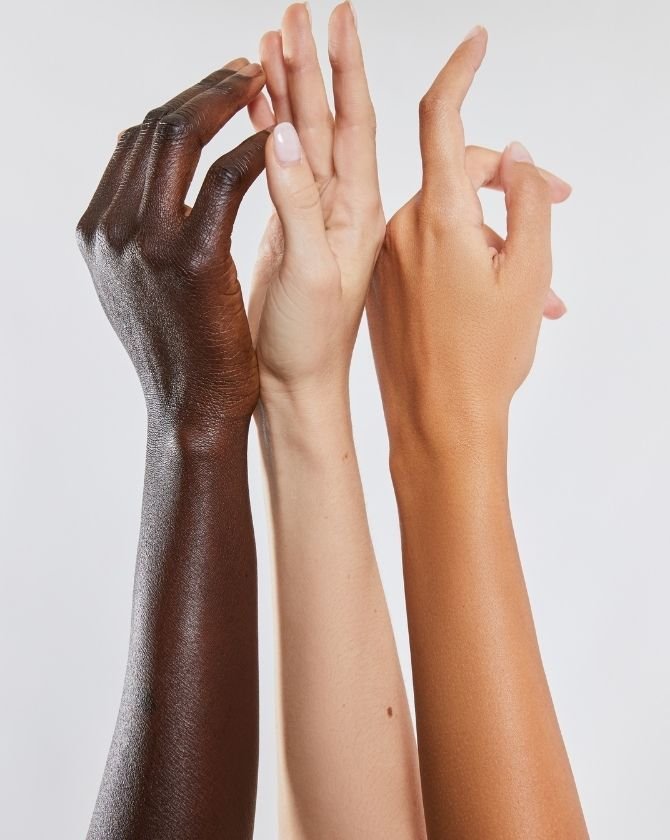
Hands are one of the first areas affected by skin aging. Delicate, thin, and exposed to the sun, the skin on the hands marks easily, wrinkling and becoming pigmented with time. To rejuvenate your hands, various treatments are available at Maison Lutétia.
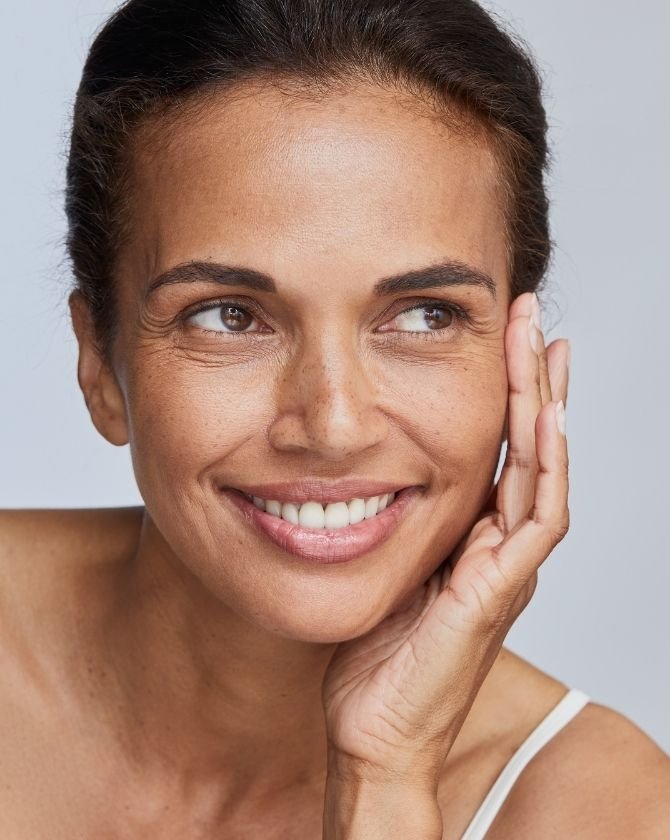
Acne scars usually appear after inflammatory acne, when a pimple or a wound does not heal properly and does not form enough connective tissue. As a result, a scar develops under the skin, and a slight indentation is visible. These marks are also known as stigmata scarring.
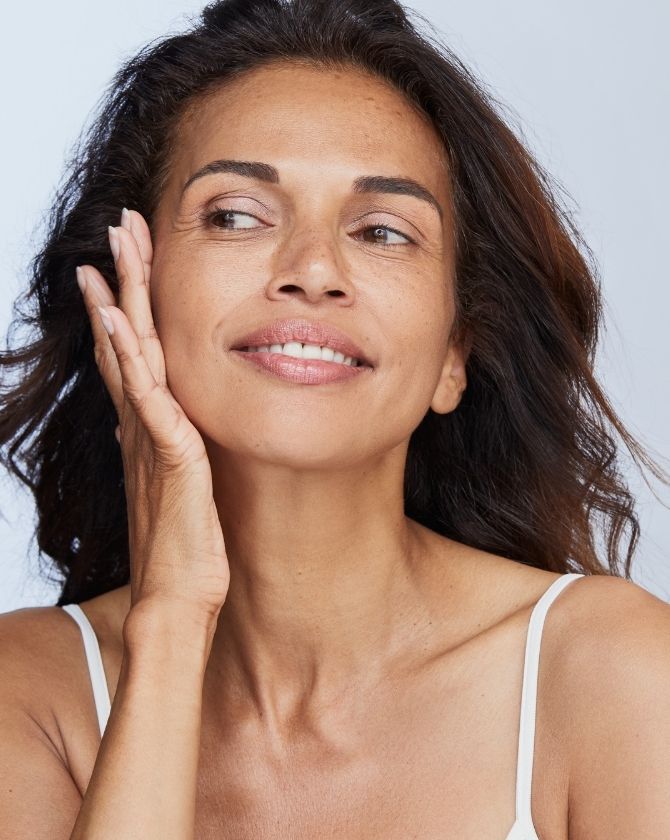
Lentigo (or lentigine or age spots, lentigo senile, lentigo solaris) is a hyperpigmented, flat, or slightly raised spot that can appear anywhere on skin exposed to the sun.
Melasma, also known as chloasma, is a form of facial hyperpigmentation, particularly on the cheeks, nose bridge, forehead, and upper lip. About 10-15% of pregnant women are affected by melasma, also known as the "pregnancy mask," as endogenous hormones (i.e., hormones produced naturally in the body) stimulate melanocytes (melanin-producing cells located in the basal layer of the epidermis), resulting in excess melanin production.
Ephelides, or freckles, are small, pigmented spots that appear from childhood under the effect of the sun, most often on light skins and in redheads. Of light brown color, they’re flat and can form groups with spots of various sizes. They are generally found on the face, the hands, the neckline, and the back.
A "mole" or nevus appears due to a proliferation of melanocytes, skin cells that produce melanin. They are usually harmless but, in some cases, can develop into melanoma. Have your moles examined by a dermatologist to make sure they are benign.
Actinic keratosis is a spot related to overexposure to the sun and is a skin cancer risk. Actinic keratosis lesions most often affect fair skin and sun-exposed areas, such as the face and back of the hands.

Le Laser NewSkin CO2® est un laser CO2 fractionné qui renouvelle une partie de l'épiderme. Certaines taches solaires et certains lentigos s'estompent avec la desquamation, en même temps que la texture et les ridules s'améliorent. C'est une option intéressante lorsque les taches s'accompagnent d'un vieillissement cutané plus global.
Il n'est en revanche pas indiqué pour le mélasma, que la chaleur du laser peut aggraver, ni pour les peaux mates et foncées, plus exposées aux taches post-inflammatoires. Pour des taches isolées, le laser pigmentaire ou le LaseMD Ultra sont généralement proposés en premier.
Une séance le plus souvent, avec 7 à 10 jours d'éviction sociale.
À partir de 500 € selon la zone.
The latest generation of non-ablative micro-fractionated laser.
It improves the skin's appearance, texture, and quality and reduces stretch marks and acne scars.
The laser creates micro-holes in the skin that activate the skin’s healing process and cellular regeneration.
The face, neck, décolleté, and stretch marks.
3 to 6 sessions for the face, and 6 to 12 sessions for stretch marks, spaced 4 to 6 weeks apart.
From 350 euros per session, depending on the area to be treated.
This treatment consists of sending radiofrequency currents to the core of the different layers of skin.
This treatment is ideal for densifying the skin, reducing dermal fractures (wrinkles, scars, stretch marks), and treating mild acne.
Each pass with the device treats a different layer of the dermis. Thus, the production of elastin, fibroblasts, and collagen is boosted. The treatment encourages coagulation and healing that causes the skin to regenerate.
The face and the body.
3 sessions are recommended for rejuvenating effects and acne scars. For stretch marks, it’s personalized according to your needs.
From 300 euros per session, depending on the area to be treated.
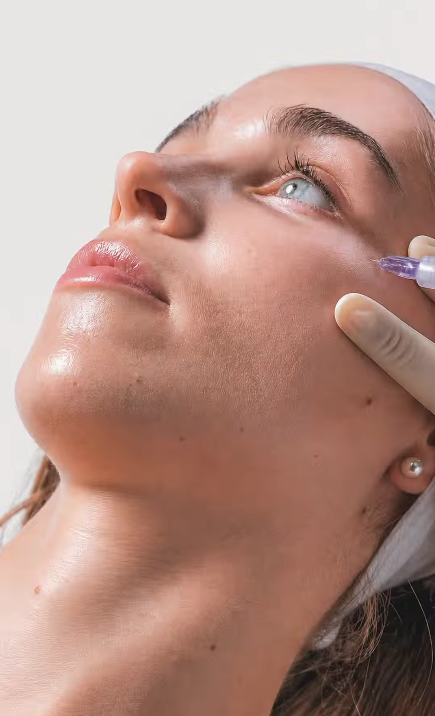
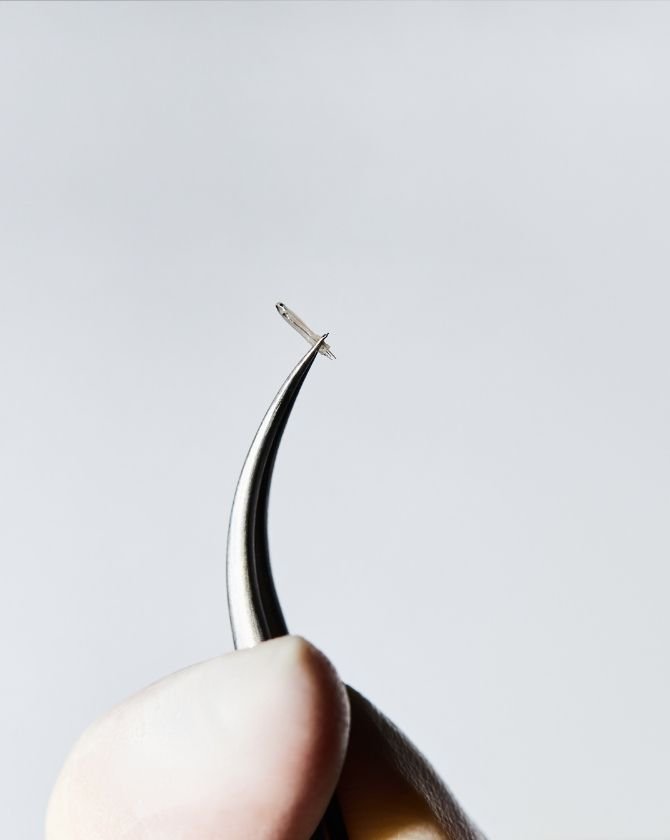
Micro-needling creates micro-perforations on the skin with a handpiece equipped with micro needles.
This treatment is ideal for revitalizing your skin, regaining clear, smooth, and radiant skin, for reducing the appearance of acne scars, pigment spots, and stretch marks.
The micro-needles stimulate the skin with each pass and act on blood circulation. The production of elastin, fibroblasts, and collagen is boosted, improving skin quality.
The face, neck, décolleté, and stretch marks on the body.
3 to 6 sessions for the face and 6 to 12 for stretch marks.
From 250 euros per session, depending on the area to be treated.
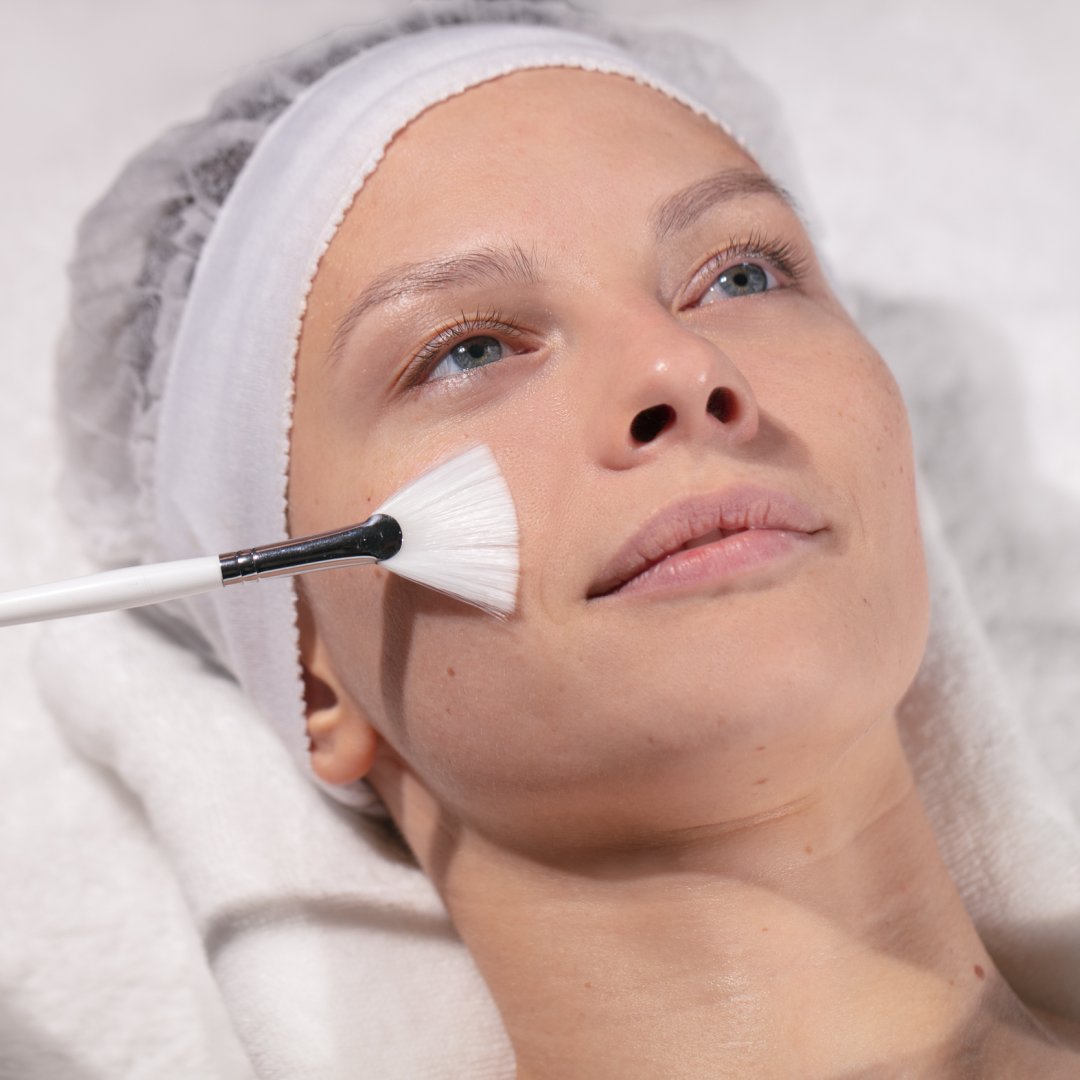
The TCA peel uses trichloroacetic acid.
To reduce skin imperfections, such as wrinkles, pigment spots, and acne scars, but also to tighten dilated pores.
Chemical abrasion causes the skin to regenerate by producing collagen and new cells. The skin is repaired, beautified, and rejuvenated.
The face, the neck, the neckline, the back...
2 to 3 sessions performed with 2 to 4-week intervals.
From 200 euros per session, depending on the treated areas.
It’s a laser that targets lentigos, age spots, and brown spots.
The Q-Switched laser can safely reduce the appearance of sunspots and certain pigmentations without risk.
It works deep down to destroy colored pigment particles in the dermis using three wavelengths.
The face, neck, décolletage, and hands.
1 to 2 sessions, each spaced 3 weeks apart.
From 150 euros per session.
It is a gentle laser peel.
It improves the skin's appearance, texture, and quality, smooths imperfections, fights against acne, and reduces pigmentation spots.
The laser smooths the surface layer of the skin. Depending on the indication, it creates micro-holes through which a serum of tranexamic acid, retinol, or vitamin C is absorbed.
The face, the neck, the décolleté.
3 to 6 sessions spaced 2 weeks apart.
350 euros per session.
A pigment spot is often smooth, round, oval, and darker in color than the skin.
They often appear on the sensitive areas most exposed to the sun, such as the hands, face, and décolleté.
Pigment spots can appear on all skin types that have undergone intensive sun exposure or experiencing skin aging.
Fruits full of antioxidants, such as papaya, can be applied as a mask. Also, using lemon juice would lighten pigmentation spots. Finally, certain essential oils, such as carrot oil, can help reduce their appearance.
Applying a high SPF sun cream during exposure is the most effective preventive against stains.
Melanin becomes concentrated in some sensitive regions in skin aging, accelerated by sun exposure, forming spots.
They can appear anywhere prone to exposure, from the hands to the décolleté to the face.
Sun exposure, smoking, pollution.
Actinic lentigos: These are benign brown spots related to photoaging.
Senile lentigos are also benign pigment spots that appear with aging skin.
Malignant lentigos: This pigmentary spot can turn into a melanoma.
Touraine's neuro dysgraphic centrofacial lentiginosis is an accumulation of brown spots on the skin with a higher-than-average number of melanocytes in the basal layer of the epidermis.
Precautions: Sun protection remains the essential preventive measure against the appearance of age spots.
Our tailor-made aesthetic treatments: Laser Resurfacing, Radiofrequency with micro-needles, Q-Switched Laser, and micro-needling.
Melasma, also known as chloasma, is a form of hyperpigmentation that appears on the face, particularly on the cheeks, bridge of the nose, forehead and upper lip. Around 10-15% of pregnant women are affected by melasma, also known as the "pregnancy mask", as endogenous hormones (i.e. hormones produced naturally in the body) stimulate melanocytes (melanin-producing cells located in the basal layer of the epidermis), resulting in excess melanin production.
The hormonal disorder caused by pregnancy leads to an overproduction of melanin.
These are pigmented spots that appear on the face, on the cheeks, nose bridge, forehead and upper lip, but also on the body on the hands or décolleté (neckline).
Sunlight, genetic predisposition, age and certain anti-epileptic drugs.
Epidermal melasma: Epidermal melasma is the most superficial. An increase in pigmentation in the upper layer of the skin, the epidermis, characterizes it.
Dermal melasma: Dermal melasma is defined as an increase in pigmentation in the second layer of the skin, the dermis.
Mixed melasma: This is a combination of epidermal and dermal melasma.
Precautions: To prevent pregnancy masks, you must protect yourself from the sun by applying a cream with a high SPF and wearing a head covering.
Our adapted aesthetic treatments: TCA peeling and radiofrequency micro-needling (sessions can be performed after childbirth without breastfeeding).